
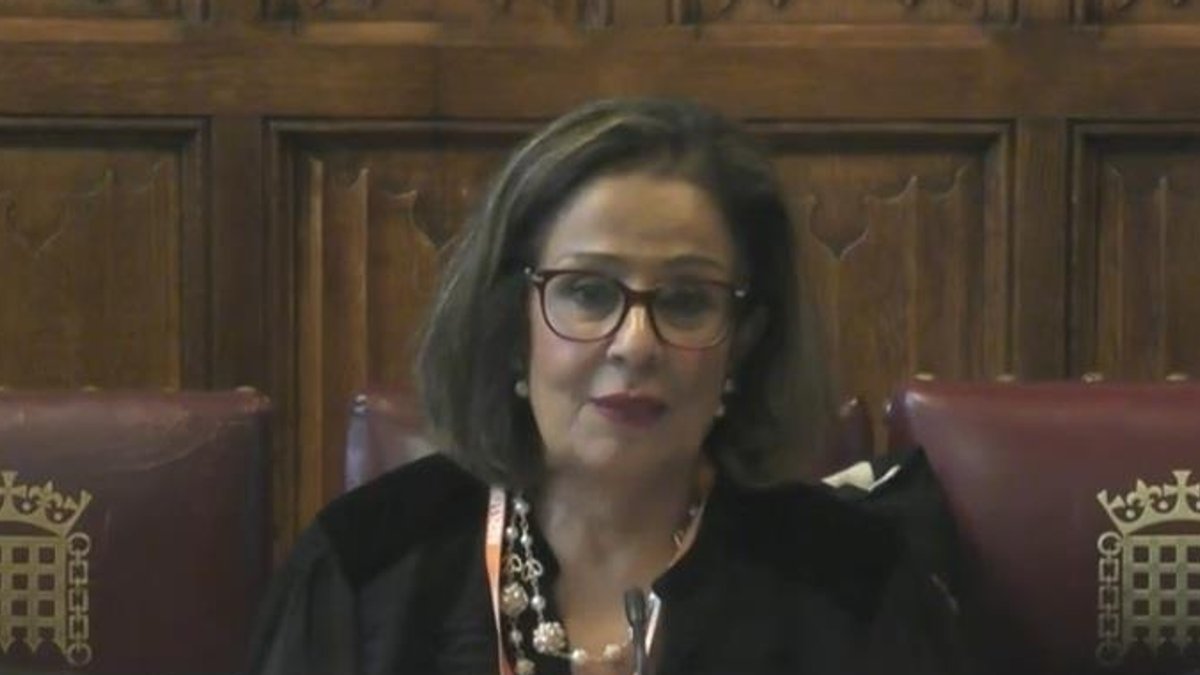
NHS artificial intelligence software currently used by the health service could be repurposed to support jurors, Her Honour Judge Kaly Kaul KC told peers during a recent inquiry. The judge, representing the GMB’s judicial branch, made the suggestion to the Justice and Home Affairs Committee during an ongoing investigation into juror support. She argued that the technology already exists and could be adapted to help manage the psychological demands of service.
Using existing AI for juror assistance
Kaul told the committee that she believes more use should be made of AI tools. She specifically mentioned the need to repurpose NHS self-help software to create a secure online portal for jurors. She suggested a system where every juror enters the page using their unique number. The AI would initially provide basic information about jury service before serving as a gateway to further support options.
Read Also: Political clashes escalate over motor finance disputes
She proposed a tiered approach to this support. After a case concludes, the AI tool would be the first point of contact for jurors needing help. From there, the system could direct them to a helpline or counselling services for those who need it. The judge noted that implementing such a system would not necessarily be expensive, as the existing infrastructure for NHS self-help tools provides a solid foundation for this adaptation.
Addressing concerns about jury selection
Baroness Bertin raised concerns that a targeted digital support system might fail to identify those who truly need help. She suggested that a generic digital approach could result in the wrong people accessing support for the wrong reasons. Kaul responded firmly to this concern. She stated that the process does not work in the way Bertin described. She explained that warnings given in court do not usually lead to a high volume of requests for removal from a trial. She noted that even if a warning is given ten times, only one person typically comes forward with a specific reason for not wanting to serve.
Debate over discussing deliberations
The inquiry also addressed the strict ban on jurors discussing their deliberations. Lord Empey asked whether a therapeutic or research exemption should be allowed to bypass this rule. Kaul suggested that a blanket ban is not the best way to handle sensitive discussions. She argued that allowing accredited professionals to discuss deliberations could help identify systemic problems within the justice system.
Read Also: AI: The New Kid on the Block
The judge believes that sharing these findings could teach judges how to improve their practices. She noted that this is a topic frequently raised by judges and staff members. They feel that the current automatic prohibition on discussing deliberations is too rigid. They argue that a properly trained counsellor should be able to discuss these sensitive matters without violating security protocols, provided they are accredited and understand the necessary safeguards.
Specialist services over generic help
Kama Melly KC, vice-chair of the Criminal Bar Association, agreed that current support measures are insufficient. She said jurors are currently told to contact their GP or the Samaritans if they need help. She argued that this generic approach needs to be reconsidered. She suggested that the justice system requires more specialist services rather than relying on a standard phoneline.


Leave a Reply