
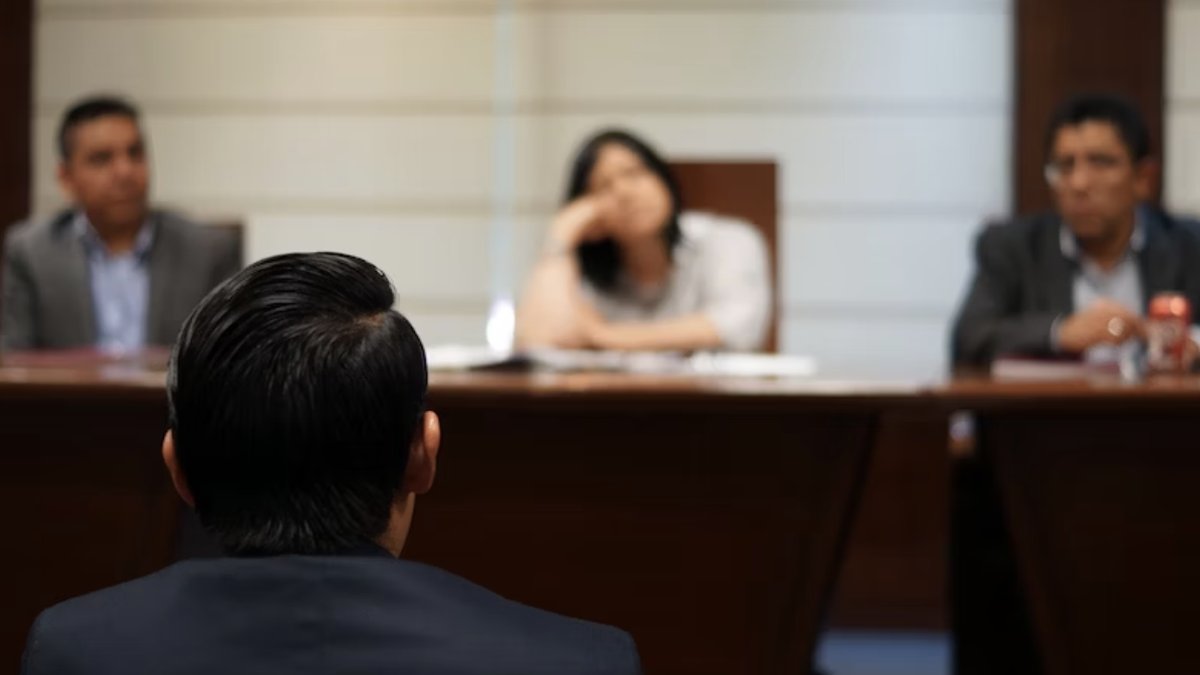
Witness testimony credibility is a critical factor in court proceedings, as it can make or break a case. The Innocence Project reports that faulty eyewitness identification contributed to approximately 69% of wrongful convictions later overturned through DNA evidence. This highlights the importance of careful witness preparation to ensure that their testimony is credible and reliable.
Jurors form impressions quickly, and those impressions are informed by far more than the substance of what a witness says. Demeanor, consistency, and apparent motive all factor into how testimony lands. A witness’s credibility can be compromised if they appear nervous, confused, or inconsistent in their testimony.
Consider a scenario where a plaintiff’s key witness is a coworker who observed a workplace injury. The witness is honest, well-intentioned, and genuinely remembers what happened. However, if they are not prepared to answer questions precisely and concisely, they may appear inconsistent or uncertain, which can damage their credibility.
Credibility isn’t a single quality — it’s a composite judgment assembled from several distinct factors. Understanding what influences that judgment is the starting point for improving it.
Related: Westfield Woman Pleads Guilty to $500k Elder Fraud
Research in legal psychology supports the approach that witnesses who receive structured guidance on how to communicate — not what to say, but how to say it clearly and without unnecessary embellishment — perform more consistently under cross-examination.
Experienced trial attorneys typically begin the process by conducting extended interviews designed to surface inconsistencies before opposing counsel does. These interviews let attorneys understand exactly what a witness remembers, how they remember it, and where their account might be vulnerable. Attorneys work with witnesses to develop the communication habits that read as trustworthy in a courtroom environment.
Mock cross-examination is another standard tool. Putting witnesses through simulated hostile questioning in a controlled environment achieves two things: it surfaces weaknesses in their account that need to be addressed, and it helps witnesses develop the composure to respond clearly under pressure without becoming defensive. Defensive witnesses appear evasive. Composed witnesses appear truthful — even when the questions are aggressive.
As attorneys work to prepare witnesses, they must also consider the potential risks and challenges that can undermine credibility. Stress and anxiety are common disruptors, and witnesses may be tempted to fill gaps in their recollection rather than acknowledge them. Attorneys must work with witnesses to become comfortable with uncertainty — to say “I don’t know” or “I don’t recall” without interpreting those admissions as damaging.
Related: Plant Based Diets May Aid Heart Health
Bias, whether real or perceived, requires a proactive approach. If a witness has a pre-existing relationship with a party or a financial interest in the outcome, that connection will surface during cross-examination. Rather than waiting for opposing counsel to introduce it, attorneys often address potential bias during direct examination, letting witnesses explain the relationship in their own words before it can be weaponized.
No witness account, regardless of how well-prepared, stands strongest in isolation. The most effective trial strategies treat witness testimony as one layer of a corroborated narrative — and corroboration does more than strengthen the case as a whole. It directly reinforces how jurors perceive individual witnesses. When a witness’s account aligns with independently gathered physical or digital evidence — security footage, GPS data, medical documentation, forensic analysis — that alignment signals reliability in a way that testimony alone cannot.
Expert witnesses serve a different but equally important function. Rather than providing eyewitness accounts, they offer analytical frameworks that help the jury understand complex evidence or evaluate the reliability of other testimony. In cases where eyewitness identification is central, cognitive psychology experts can educate juries about the known limitations of human perception and memory — counterintuitively, this transparency often increases overall case credibility by demonstrating that the legal team understands and respects the complexity of the evidence.
Attorneys must consider the totality of what they’re presenting and whether it gives the jury every reason to trust what they’re hearing. By carefully preparing witnesses, addressing potential biases and inconsistencies, and corroborating with evidence and expert testimony, attorneys can build a strong and credible case that withstands scrutiny.
Related: Blood Plasma Industry Faces Shadowy Trade Accusations
They use various techniques to assess and bolster witness credibility. These techniques include conducting extended interviews and mock cross-examinations to prepare witnesses for the pressures of the trial.
It is key for attorneys to address potential biases and inconsistencies in witness testimony. They must work with witnesses to acknowledge and explain any potential biases or inconsistencies before the opposing counsel can use them to undermine the witness’s credibility.
Corroboration with evidence and expert testimony is also essential in supporting witness credibility. When a witness’s account is supported by physical or digital evidence, it signals reliability and strengthens the case as a whole.
By presenting a well-prepared and credible case, attorneys can increase the chances of a successful outcome.


Leave a Reply