
Managing and paying contractors across borders presents a recurring set of legal questions that businesses often ignore until a problem arises. Hiring talent internationally can be faster than opening an overseas office, but the moment a paycheck crosses a border, a complex web of tax and labor rules follows it. Companies that fail to address these issues before the first payment is made face significant risks, including fines, back taxes, and costly disputes.
Worker Classification Is the Starting Point
Before any payment method or contract template matters, a business must determine if the worker is legally a contractor or an employee. Authorities generally look at the reality of the working relationship rather than the job title written on paper. They examine how much control a company has over hours and tools, whether the person works for multiple clients, who provides the equipment, and how long the relationship lasts.
Different countries apply different tests. The United States uses a multi-factor economic reality test, while several states apply a stricter ABC test that presumes employee status unless the business proves otherwise. The United Kingdom has its own framework for reviewing contractor arrangements. Misclassification is not a minor paperwork issue; penalties can include back wages, unpaid payroll taxes, interest, and retroactive benefits. A closer look at remote employment law issues for startups covers many of the same classification pitfalls that trip up companies hiring across state and national lines.
Related: Insurers Push Release Form After Long Beach Crash
Handling Different Labor Laws
A common misunderstanding is assuming that a home country’s laws automatically govern the relationship because the business is based there. In practice, the contractor’s location often matters just as much, sometimes more. Many countries apply mandatory local protections regardless of what a contract says about governing law. These can include minimum notice periods, social security contributions, or specific registration requirements for self-employed workers. Ignoring them does not make them go away; it just means the exposure surfaces later, often during a dispute or an audit.
There is a second risk that catches growing businesses off guard: permanent establishment. If a company engages contractors in a foreign country continuously enough that it starts to look like an ongoing business presence there, local tax authorities may argue the company owes corporate tax in that country. Before engaging a contractor in a new country, a business should check whether the country has its own contractor classification test, local registration or reporting obligations for foreign hiring companies, and data protection rules that apply to any personal information shared with the contractor. Regulations like the EU’s GDPR can apply even to businesses based outside Europe.
When a company scales internationally, the distinction between a contractor and an employee can blur over time. If a worker becomes deeply integrated into daily operations or maintains an exclusive relationship with a single client for an extended period, authorities may reclassify them. This drift into employment status often happens slowly, making it difficult for businesses to notice until a formal review occurs. To mitigate this, companies should review the relationship periodically rather than assuming a contractor arrangement will remain accurate indefinitely. If the relationship starts to look more like employment, businesses typically choose between establishing a local legal entity or working with an Employer of Record, which legally employs the worker on the company’s behalf while the company directs the day-to-day work.
Related: Plant Based Diets May Aid Heart Health
Tax Documents and Compliance
Tax paperwork looks different once a payment crosses a border. For a business based in the United States, the source of income is determined by where the work is physically performed, not where the contractor lives or where the bank account sits. Getting that distinction wrong is one of the more common reasons companies under-withhold and get penalized later. To document that properly, the contractor must complete the correct W-8 form before the first payment is sent. Use Form W-8BEN when the contractor is an individual and Form W-8BEN-E when the contractor operates through a foreign business entity. These forms certify the contractor’s foreign status. Without one on file, a business can end up responsible for withholding at a flat rate, even if the contractor never owed US tax in the first place.
Even though a contractor is generally responsible for their own income taxes in their home country, some jurisdictions still require the hiring business to report payments or file local documentation. This varies widely, so checking the specific requirement for each contractor’s country avoids an unpleasant surprise during tax season. Keeping signed copies on record is also essential, as these forms typically remain valid for three years unless the contractor’s circumstances change.
Contracts and Payment Methods
A vague agreement is one of the fastest ways to end up in a dispute you cannot easily resolve. A cross-border contractor agreement needs to do more work than a standard domestic one because it may need to be enforced in more than one legal system. A solid agreement should clearly cover the scope of work and deliverables, payment terms including currency and transfer fees, intellectual property ownership, termination conditions, and governing law. It is worth having contracts reviewed by someone familiar with the contractor’s local jurisdiction, particularly for longer or higher-value engagements.
Related: Boosting Credibility of Witness Testimony Before Trial
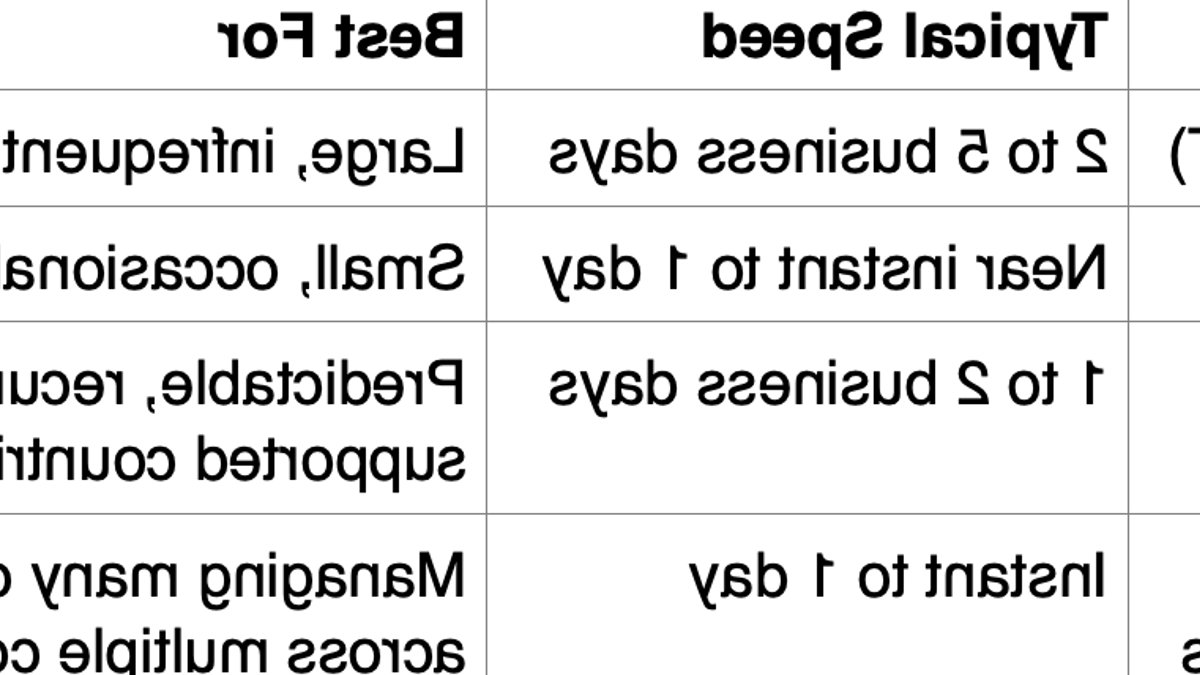
Once classification and paperwork are settled, the actual mechanics of payment come with their own tradeoffs around cost, speed, and compliance. For businesses paying a handful of contractors, a straightforward transfer service is often enough. Once a team grows past a few contractors spread across different countries, manual processing becomes harder to manage consistently. That is where dedicated contractor management platforms become useful. Services like Mellow are built specifically to handle onboarding, contract documentation, currency conversion, and payouts to contractors in dozens of countries from a single dashboard.
Avoiding Compliance Mistakes
Skipping identity and sanctions screening is one of the more serious mistakes a business can make. Before sending payments, it is standard practice to check that a contractor does not appear on restricted party lists, such as the Specially Designated Nationals list maintained by the US Treasury’s Office of Foreign Assets Control. Sending funds to a sanctioned individual or entity, even unintentionally, can carry serious legal consequences. Other common mistakes include treating a long-term, exclusive contractor the same as a short-term project hire, failing to update contracts when a working relationship changes significantly, assuming one country’s tax treatment applies everywhere, and not keeping organized records of contracts, invoices, and tax forms.


Leave a Reply