
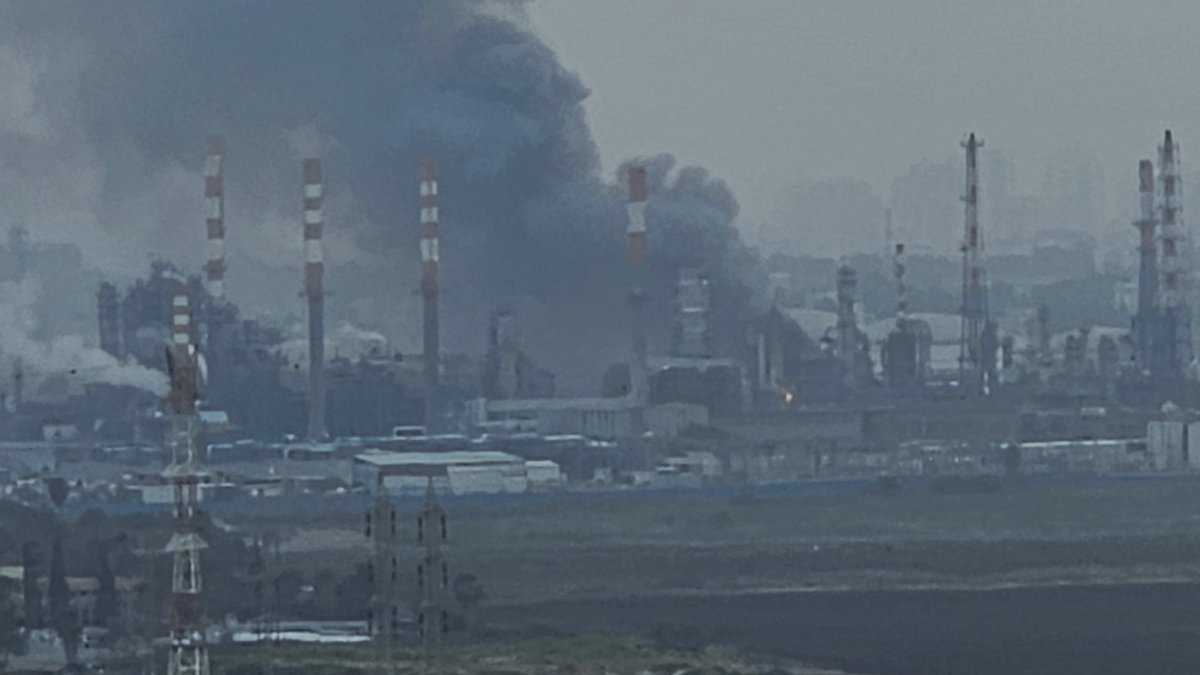
The air becomes filled with smoke, thick and palpable. The resulting pollution emits a burning, acrid odor that cannot be avoided. Attacks targeting oil depots and energy facilities generate black rain descending from above, which leaches essential nutrients from the soil needed for crops and renders potable water sources acidic in affected regions.
Environmental Warfare in History
This is the reality that the conflict between the US, Israel and Iran has brought to individuals in Iran, where parties have wielded the environment as an axe against the human rights of innocent bystanders. But it’s also a reality we’ve seen before. From the US’s intentional deployment of herbicides in the Vietnam War, to the deliberate burning of hundreds of oil wells in Kuwait, to targeted destruction of energy and water infrastructure in Ukraine, international law has repeatedly failed to protect environmentally vulnerable regions from the immense pollution created by unlawful militaristic conduct.
Throughout the US-Iran conflict, energy and water infrastructure have become central targets and bargaining chips for the parties to inflict damage upon one another. In July, President Donald Trump indicated in a post on social media that US troops would bomb one bridge or power plant, including those located in the capital city of Tehran, any time a ship in the Strait of Hormuz was shot at.
But why are these parties permitted to target water, energy, and agricultural infrastructure, exacerbating a humanitarian crisis, when there are laws in place intended to safeguard natural and human environments from this conduct? The question is not do these protections exist, but why don’t these protections sufficiently prevent the environment from turning into a sharply wielded weapon.
Read Also: SEC releases updated guide for exam procedures
International Law and Environmental Protections
International protections for the environment exist within international humanitarian law (IHL), or the law that regulates the conduct of parties during armed conflict. The environment is an established prima facie civilian object, meaning that it has legal status and falls under the protections of the IHL principles of distinction, precaution, and proportionality, which protect civilians and civilian property. Heavily influenced by the aforementioned use of Agent Orange during the Vietnam War, additional environmental protections were established through two treaties: Additional Protocol I (the protocol) to the Geneva Conventions and Convention of Environmental Modification (the convention). These treaties, in theory, prevent tactics that cause long-term environmental damage, or damage that will be felt in the region for decades to come.
However, the established protections are far too restrictive, making it near impossible for environmental damage to rise to the level of a punishable offense.
The conflicting standards and restrictive wording within the convention and the protocol make it near impossible for engaging in environmentally damaging conduct during wartime to rise to the stringent level required to be considered a crime. Article 55(1) of the protocol states that “care shall be taken in warfare to protect the natural environment against widespread, long-term, and severe damage…intended or may be expected to cause such damage to the natural environment and thereby to prejudice the health or survival of the population.” The International Committee of the Red Cross (customary law) treats this standard as binding even on states that have not ratified the protocol, such as the United States, Israel, and Iran.
The United States rejects that view, and the ICRC’s own study describes it as a “persistent objector.” The convention sets a lower bar (‘widespread, long-lasting or severe’), but it covers only the hostile use of environmental modification techniques, meaning the deliberate manipulation of natural processes. It does not cover attacks that damage the environment. Nor is the convention widely considered customary law, so only 78 States are subject to its less stringent standard, the United States among them, but not Iran or Israel. Regardless, the convention remains regarded as an unenforceable and strict requirement.
Legal Standards and Their Shortcomings
In practice, the rigor of these standards is highly restrictive, unclear, and fails to encompass damage that does not reach an extreme level of severity. The meaning of the terms contained within them are widely disputed, but it’s generally considered that “widespread” means several hundred square kilometers (the convention’s reading) and “long-term” means decades (the protocol’s reading). This fails to encompass damage that is harmful, but has not yet risen to an extreme level, such as the strikes on energy infrastructure in Tehran. The phrasing of these standards, in addition to causing confusion, is subjective and leaves room for interpretation.
Read Also: California Governor Vetoes Greenwashing Labeling Bill Citing Producer Hardships
The language “intended or may be expected to cause such damage” almost acts as a cop-out, enabling parties to feign ignorance and claim that their actions could not foreseeably rise to the level of such severe damage. One of the few situations in which the level of environmental damage is likely to meet the requirements of the protocol is the use of nuclear weapons. However, no ban on their use binds every state (the 2021 Treaty on the Prohibition of Nuclear Weapons binds only its parties), and the International Court of Justice (has not ruled out their legality) in extreme situations of self-defense.
In addition to the high standard laid out in the articles of the protocol, the articles of IHL contain the inadequately enforced principles of distinction, precaution and proportionality. These principles require, broadly, that during war, parties take care not to attack the environment when it is not a military objective, not to cause incidental damage to the environment that would be excessive in relation to the concrete military advantage, and to minimize damage to civilian objects.
Similarly to the previously mentioned facets of IHL, these principles fall victim to subjective phrasing that leaves room to interpret what conduct is “too excessive” in proportion to militaristic gain and leaves discourse over what is considered a valid military objective, meaning it is a difficult guideline to enforce.
Enforcement Gaps and Consequences
Even if environmental damage rises to the level of a punishable offense, weak enforcement mechanisms permit environmental harm by letting these offenses go unsanctioned.


Leave a Reply